
Posted by Seri Mediclinic
Understanding PAD: When Poor Circulation Affects Healing
Peripheral Artery Disease (PAD) is a serious circulation condition that affects millions of people, particularly those over 50. When arteries in your legs and feet become narrowed, it reduces blood flow to these areas, making it extremely difficult for wounds to heal properly. At our Silibin branch, we specialize in recognizing and managing PAD to prevent serious complications.
What is Peripheral Artery Disease?
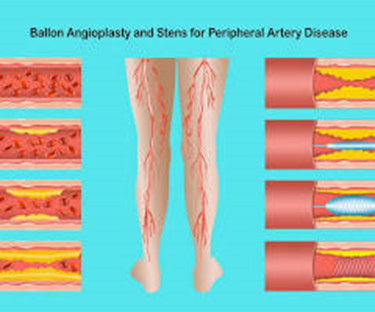
PAD occurs when fatty deposits called plaque build up inside your artery walls, causing them to narrow and stiffen. This restricts blood flow to your extremities, especially your feet and lower legs. Think of it like a garden hose with buildup inside – the water flow becomes weaker and can’t reach where it needs to go effectively.
Who’s at Risk for PAD?
Several factors increase your risk of developing PAD:
Age: Risk increases significantly for people over 50 years old.
Smoking: One of the most significant risk factors that directly damages blood vessels and accelerates plaque buildup.
Diabetes: High blood sugar levels damage and weaken blood vessel walls over time.
High Blood Pressure: Creates additional stress on already narrowed arteries.
High Cholesterol: Contributes directly to plaque formation that blocks arteries.
How PAD Disrupts Wound Healing
Proper wound healing requires adequate blood flow to deliver oxygen, nutrients, and infection-fighting cells to injured tissue. PAD disrupts this essential process in several ways:
Delayed Healing Process: With reduced blood flow, your body’s natural healing mechanisms work much slower and less effectively. Even minor cuts, scrapes, or blisters can take weeks or months to heal, if they heal at all.
Increased Infection Risk: Poor circulation prevents infection-fighting white blood cells from reaching wounds effectively. The longer a wound stays open, the higher the risk of serious bacterial infection.
Chronic Non-Healing Ulcers: PAD patients often develop persistent wounds called ischemic ulcers, typically on feet, legs, or ankles. These wounds resist healing despite proper care and can become increasingly serious over time.
Oxygen Starvation: Healing tissue needs oxygen for all phases of recovery – reducing inflammation, growing new cells, and rebuilding tissue. Without adequate oxygen delivery, wounds simply cannot heal properly.
Warning Signs of PAD-Related Healing Problems
Physical Signs:
- Wounds that don’t improve after several weeks of proper care
- Slow-healing or non-healing sores on legs, feet, or ankles
- Cool temperature in affected limbs
- Pale or bluish skin color, especially when elevated
Symptoms to Watch:
- Leg pain or cramping during walking that improves with rest
- Weakness or numbness in legs
- Persistent pain in feet or toes, even at rest
- Changes in toenail growth or leg hair loss
Critical Limb Ischemia: The Most Serious Stage
In advanced PAD, some patients develop Critical Limb Ischemia (CLI), characterized by:
- Severe pain even when resting
- Non-healing wounds despite treatment
- Tissue death (gangrene) in extreme cases
- High risk of amputation if not treated promptly
Our Comprehensive PAD and Wound Care Program
At Silibin branch, we provide specialized care for PAD-related healing problems:
Circulation Assessment: Advanced testing to measure blood flow and identify blocked arteries affecting wound healing.
Wound Evaluation: Thorough assessment of healing progress and infection risk in existing wounds.
Specialized Wound Care: Advanced dressing techniques and treatments designed for poor-circulation wounds.
Risk Factor Management: Comprehensive approach to controlling diabetes, blood pressure, and cholesterol.
Smoking Cessation Support: Intensive programs to help you quit smoking and improve circulation.
Treatment Strategies We Offer
Medical Management: Medications to improve circulation, prevent blood clots, and manage underlying conditions like diabetes and high blood pressure.
Advanced Wound Care: Specialized dressings and treatments that work effectively even with reduced blood flow.
Lifestyle Modification: Supervised exercise programs and nutritional counseling to improve overall circulation.
Infection Prevention: Aggressive monitoring and early treatment to prevent minor wounds from becoming serious infections.
Specialist Coordination: Referrals to vascular surgeons when advanced intervention is needed to restore blood flow.
Prevention Strategies We Teach
Daily Foot and Leg Inspection: Regular checks for any cuts, blisters, or color changes that might indicate circulation problems.
Proper Wound Care: Immediate attention to any injury, no matter how small, with appropriate cleaning and protection.
Exercise Program: Safe, supervised activities to improve circulation and overall cardiovascular health.
Risk Factor Control: Managing diabetes, blood pressure, and cholesterol to prevent further artery damage.
Protective Measures: Proper footwear and avoiding barefoot walking to prevent injuries.
When to Seek Immediate Care
Contact our clinic urgently if you experience:
- Any wound that shows no improvement after one week
- Signs of infection like increased redness, warmth, swelling, or pus
- Severe pain in legs or feet, especially at rest
- Cold, pale, or bluish skin color in legs or feet
- Any wound with black or dark tissue around the edges
Comprehensive Panel Coverage
AIA, PMcare & Mi Care Support:
- PAD screening and circulation testing
- Advanced wound care and monitoring services
- Risk factor management programs
- Specialist referrals for vascular intervention
- Long-term wound healing support
- Patient education and prevention programs
Long-term Management and Support
Living with PAD requires ongoing care and monitoring. Our Silibin team provides:
Regular Monitoring: Scheduled check-ups to assess circulation and wound healing progress.
Medication Management: Adjusting treatments to optimize circulation and healing.
Education and Training: Teaching you and your family proper wound care techniques and warning sign recognition.
Lifestyle Support: Ongoing guidance for diet, exercise, and smoking cessation to improve outcomes.
Protecting Your Future Mobility
PAD-related wound healing problems are serious, but with proper care and early intervention, many complications can be prevented. The key is recognizing circulation problems early and getting specialized treatment before wounds become chronic or infected.
Our experienced Silibin team combines advanced wound care techniques with comprehensive PAD management to give you the best chance of healing and maintaining your independence.
Take Action Before It’s Too Late
Don’t ignore wounds that heal slowly or circulation problems in your legs and feet. Early detection and treatment of PAD can prevent serious complications including infection, tissue death, and amputation.
Schedule your circulation and wound assessment at our Silibin clinic today and take control of your vascular health.
About Seri Mediclinic
Seri Mediclinic provides specialized PAD and wound care services at our Silibin branch. Our experienced team offers comprehensive circulation assessment, advanced wound healing treatments, and complete management programs with full AIA, PMcare, and Mi Care panel support.
This is for informational purposes only. For medical advice or a diagnosis, consult a professional.
Keywords: PAD treatment, peripheral artery disease, wound healing, circulation problems, Silibin wound care, ischemic ulcers, panel coverage